


In the present world, where consumer electronics and appliances remain integral to daily life, the question of whether to purchase extended warranties looms. According to a recent study, an extended appliance warranty costs between $20 and $500 annually. And the potential surprise of a malfunction makes it compelling to determine which household item truly warrants the extra protection. Continue reading to learn the four top items on which you should extend a warranty.
Cars and other vehicles
Buying a new car can be a very pricey prospect, and although most warranties protect you for a while, the repair cost after the guaranteed period may reach hundreds of dollars. Extending the warranty to safeguard your investment would be helpful if you intend to keep it past the manufacturer's warranty. Remember that researching is crucial since aftermarket car warranties might vary regarding quality and value. You can find various resources online for comprehensive coverage from popular providers and plans.
Lawnmowers and garden equipment
Garden equipment like lawnmowers help keep your yard neat, and thanks to them, you can savor the smell of freshly cut grass. However, investing in them can be expensive. Even the gas to keep non-electric mower models running isn't cheap. Compared to previous models, modern lawnmowers are designed with complex, computerized functions making them pricey to fix when damaged. That makes purchasing an extended warranty for your modern lawnmowers and garden equipment compelling, so feel free to consider this.
HVAC systems
Even though most main air conditioning and heating units are built to survive for years, the normal guarantee is just one or two years. In most climates, a well-running HVAC system is crucial for home comfort, so extending your warranty may offer additional peace of mind. Also, some extended warranties go beyond the usual manufacturer's guarantee, providing further protection against faults or malfunctions. However, if you plan to use your HVAC for a long time yet can't afford to buy an extended warranty, it can be cost-effective to call an expert AC repair company for the best repair services.
Computers and laptops
Computers and laptops, for the most part, can last long. They're dependable gadgets, but there's a risk of getting one that may not be in the best condition or fails before you expect it. For instance, your Mac hard disk could malfunction and cost you hundreds in repairs, and you may be unable to retrieve your lost data. Purchasing an extended warranty can come in handy in such moments since you will sleep better knowing you wouldn't have to pay out of pocket for what appeared to be a manufacturing issue.
The list of everyday items that need extended warranty can be limitless. While the above items can be a good start, it is practical to consider how the extended warranty suits the particular purchase or need. Factors like product costs, damage risks, and warranty terms assist you in making an informed decision so you can enjoy your product for a long time.


Cooking with children is not only a fantastic way to bond with your little ones (and even not-so-little ones), but it’s also the perfect opportunity to teach them some valuable life skills that they can use to their advantage when they move out of home. They’ll know how to cook, and they’ll understand how to choose healthy food (as long as you bring that into your cooking at home, of course).
The issue is that cooking with children can be quite stressful and chaotic, so it’s something that some parents might avoid as much as possible. Unfortunately, this means that the children won’t learn as much as they need to, and there will be less chance for bonding. So how can you make cooking with children easier? Here are some tips to help you.

Choose The Right Recipe
To ensure that the cooking session with your children is as easy as possible, it all starts with choosing the right recipe. It’s crucial to pick something that is suitable for the age of the children you’re cooking with, and you also need to factor in their particular skill level. Plus, it should be something they’ll want to eat, as it’s important for them to taste the food. This will give them a better palette and also makes them more invested in the cooking in the first place.
Make sure you choose something that is simple to cook, and then, when the children are more confident, you can try more challenging things. Plus, the food should be familiar, or at least some of the ingredients should be, as this will spark their interest, and they are more likely to want to be involved. It should also be a visually appealing dish, as children are often drawn to colourful and attractive food. A Coca Cola cake recipe would be an ideal option, for example.
Prep Ahead Of Time
Although learning how to prep the kitchen to be ready to cook is all part of the process and it’s something that children should learn how to do, it is often best to start with the cooking process itself, and then teach them how to get the space ready when they are a little older - you don’t want a very young child to hunt around for knives and other gadgets that could potentially cause injury, for example.
When you know what you’ll be cooking, get all the ingredients and equipment out and make sure everything is within easy reach - again, this will prevent accidents and spills. In this way, your child can focus on putting the ingredients together without getting distracted because they have to go and hunt for what they need.
Make The Kitchen Child-Friendly
There are some things you can do to make your kitchen more child-friendly, and that can help your little ones feel more confident and more at home. You could consider making the countertops lower, at least in one area, for example. If this is not practical, then a sturdy step or stool is a good alternative; this will mean the child doesn’t have to reach up to the counter, making it easier to cook and safer too.
You can also invest in child-size equipment, like bowls and utensils. They’ll be easier to handle, so they’ll feel more involved in the process as you won’t have to help them so much.

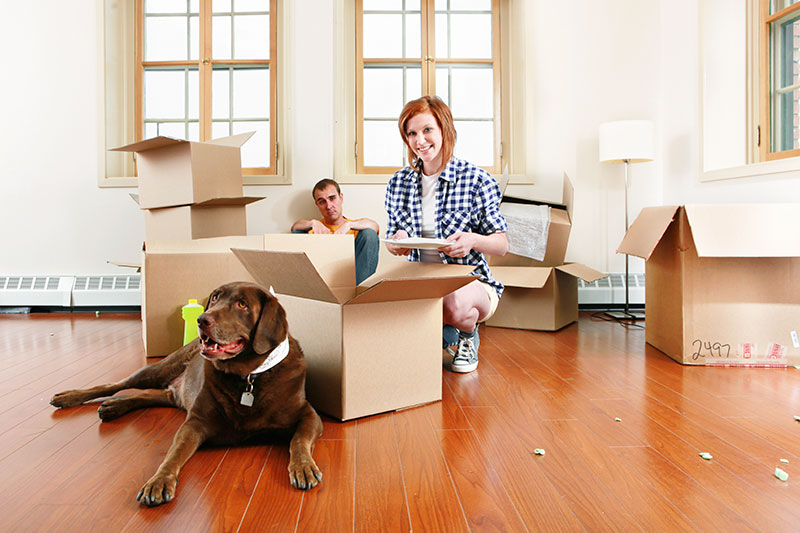
Moving to a new state brings a mix of anticipation and stress. But when you have beloved pets, the task becomes even more intricate. They are part of your family, and their comfort and safety are paramount.
How do you ensure a smooth transition for them during the move? In this article, we will delve into the various challenges of relocating with pets and provide practical solutions to make your journey a success.

Planning for a Pet-Friendly Move
Moving long distances involves meticulous planning, especially when pets are involved. You need to consider their needs and make the necessary arrangements.
1. Considering Your Pet's Needs
Your pets have unique requirements, including food, exercise, and comfort. Take into account their age, breed, and any special needs they may have.
2. Researching Local Pet Laws and Regulations
Different states have varying pet laws and regulations. Researching these beforehand will help you comply with any specific requirements or restrictions in your new location.
3. Finding a Pet-Friendly Neighborhood
Look for a neighborhood that welcomes pets. Consider factors like nearby parks, walking trails, and pet-friendly establishments when choosing your new home.
Preparing Your Pet for the Move
Before embarking on your journey, it's essential to prepare your pet physically and mentally for the move.
1. Updating Identification and Microchipping
Ensure your pet's identification tags are up to date with your current contact information. Microchipping provides an additional layer of security in case your pet gets lost during the move.
2. Obtaining Veterinary Records and Prescriptions
Visit your veterinarian to obtain a copy of your pet's medical records and any necessary prescriptions. These documents will be vital in your new location, especially if you need to find a new veterinarian. You might also want to adjust your pet's insurance when you move, as providers often take into account location when determining the cost of a plan, so it would be a good idea to find a means to tailor a plan to fit your coverage needs and budget as part of your relocation.
3. Introducing Crate Training for Travel
Familiarize your pet with a travel crate or carrier to make the journey more comfortable and secure. Gradually introduce them to the crate to reduce anxiety and help them associate it with positive experiences.
Choosing the Right Mode of Transportation for Long-Distance Moves
Selecting the appropriate mode of transportation is crucial for long-distance movers to ensure your pet's safety and well-being during the move.
1. Air Travel Considerations for Pets
If you're flying to your new destination, research the airline's pet policies and requirements. Ensure you have the necessary documents, such as health certificates and airline-approved carriers. Additionally, it might be helpful to consider professional pet relocation services, such as Airpets America, to ensure a smooth and stress-free travel experience for your pet.
2. Road Trip Essentials with Your Furry Friend
If you're traveling by road, pack essential items like food, water, bedding, toys, and any medication your pet may need. Plan regular breaks for exercise and bathroom breaks.
3. Exploring Alternative Transportation Options
While some pet owners prefer to handle the move themselves, it's worth considering the benefits of hiring professional long-distance movers for the move.
Out-of-state movers specialize in long-distance relocations, and their expertise can alleviate much of the stress associated with the logistics of moving.
They have the necessary equipment, experience, and knowledge to ensure a smooth transition for both you and your pets.
Finding Pet-Friendly Accommodations
When relocating, finding suitable pet-friendly accommodations is essential for a smooth transition.
1. Tips for Searching Pet-Friendly Rentals
Start your search for pet-friendly rentals early and use online resources that specialize in listing pet-friendly properties. Reach out to landlords or property management companies to confirm their pet policies.
2. Assessing Pet Policies and Fees
Before finalizing a rental agreement, thoroughly review the pet policies and associated fees. Ensure they align with your pet's needs and your budget.
3. Making Your New Home Pet-Safe
Inspect your new home for potential hazards, such as toxic plants, exposed wires, or insecure fences. Make the necessary adjustments to create a safe environment for your pet.
Navigating Interstate Pet Health Requirements
Different states have varying pet health requirements that must be met when moving across state lines.
1. Understanding Vaccination and Health Certificate Requirements
Research the specific vaccination and health certificate requirements of your new state. Schedule a visit to your veterinarian to ensure your pet is up to date with vaccinations and obtain the necessary health certificates.
2. Researching Quarantine Regulations, if Applicable
Some states may have quarantine regulations for pets. Check if your new state has such requirements and plan accordingly.
3. Preparing for a Smooth Veterinary Transition
If you need to find a new veterinarian in your new location, start by gathering recommendations from local pet communities and researching reputable veterinary clinics. Additionally, consider looking for a mobile vet clinic for elderly or larger pets. Then schedule an initial appointment to establish a relationship with the new veterinarian to ensure they are a good fit for your pet's needs.
Managing Pet Anxiety and Stress
Moving can be stressful for pets. It's crucial to identify signs of anxiety and employ strategies to help them adjust to their new environment.
1. Recognizing Signs of Pet Anxiety during the Move
Pets may exhibit signs of anxiety during the move, such as excessive panting, pacing, or hiding. Be attentive to their behavior and provide comfort as needed.
2. Strategies to Help Pets Adjust to Their New Environment
Create a familiar space for your pet in the new home with their bedding, toys, and food bowls. Gradually introduce them to different areas of the house and establish a consistent routine.
3. Seeking Professional Help, if Necessary
If your pet's anxiety persists or becomes severe, consult with a professional, such as a veterinarian or animal behaviorist, who can provide additional guidance and support.
Establishing a Routine in Your New Home
Creating a routine is vital to help your pet settle into their new environment and feel secure.
1. Creating a Familiar Space for Your Pet
Designate an area in your new home as your pet's space, where they can retreat to and feel safe. Set up their bed, toys, and water and food bowls in this area.
2. Introducing a Consistent Daily Routine
Maintain a consistent schedule for feeding, walks, playtime, and other activities. Consistency will provide structure and reassurance for your pet.
3. Exploring the Local Pet-Friendly Amenities
Research and explore nearby pet-friendly amenities, such as parks, trails, and pet stores. Engaging in these activities will help your pet become familiar with their new surroundings and meet other pet owners.
Building a Supportive Network for Your Pet
Establishing connections with local pet communities and finding new veterinary care providers is essential for your pet's well-being.
1. Finding New Veterinary Care Providers
Research local veterinary clinics and schedule a meet-and-greet with potential veterinarians. Ask for recommendations from neighbors or online pet communities to find a trusted healthcare provider for your pet.
2. Connecting with Local Pet Communities
Join local pet communities, such as social media groups or neighborhood associations, to connect with other pet owners. They can provide valuable advice and recommendations for pet-friendly services and activities in your area.
3. Engaging in Pet-Friendly Activities and Events
Participate in pet-friendly activities and events to socialize your pet and meet like-minded pet owners. These experiences will help your pet feel more comfortable in the new community.
Pet-Proofing Your New Home
Pet-proofing your new home is essential to prevent accidents or injuries to your furry friend.
1. Identifying Potential Hazards in the New Environment
Carefully inspect your new home for potential hazards, such as toxic plants, exposed electrical wires, or sharp objects. Address any identified hazards promptly.
2. Securing Fences, Balconies, and Windows
Ensure that your fences, balconies, and windows are secure to prevent your pet from escaping or falling. Install pet-friendly screens or barriers, if necessary.
3. Keeping Toxic Substances Out of Reach
Store household cleaners, medications, and other potentially toxic substances in secure cabinets or high shelves, out of your pet's reach. Use pet-safe cleaning products whenever possible.
Helping Your Pet Settle into the New Neighborhood
Introducing your pet to the new neighborhood and its residents will aid in their adjustment.
1. Introducing Your Pet to the Neighbors and Local Pets
Take your pet for walks around the neighborhood to introduce them to new faces, both human and furry. Socializing your pet will help them feel more at ease.
2. Exploring Nearby Parks and Walking Trails
Discover nearby parks, walking trails, and other outdoor spaces where you can take your pet for exercise and exploration. Regular outings will familiarize them with their new surroundings.
3. Enrolling in Obedience Classes or Doggy Daycare, if Needed
Consider enrolling your pet in obedience classes or doggy daycare to provide them with mental stimulation and social interaction. These activities can help them build confidence and adapt to the new environment.
Maintaining Your Pet's Well-being in the New Environment
Regular veterinary care, a balanced diet, and awareness of common health issues are essential for your pet's well-being in the new environment.
1. Scheduling Regular Veterinary Check-ups
Ensure your pet receives regular check-ups and vaccinations as recommended by your new veterinarian. Routine examinations will help detect any health issues early on.
2. Providing a Balanced Diet and Exercise Routine
Maintain a healthy and balanced diet for your pet based on their age, breed, and any specific dietary needs. Establish an exercise routine to keep them active and fit.
3. Recognizing and Addressing Common Health Issues in the Area
Familiarize yourself with common health issues prevalent in your new area, such as tick-borne diseases or allergies. Take necessary precautions to prevent these issues and seek prompt veterinary care if needed.
Travelling with Pets: Exploring Local Attractions and Beyond
Once settled in your new state, it's time to explore local attractions and beyond with your furry friend.
1. Pet-Friendly Tourist Spots and Destinations
Research pet-friendly tourist spots and destinations in your new state. Whether it's a beach, hiking trail, or a pet-friendly landmark, plan outings that both you and your pet can enjoy.
2. Planning Outdoor Adventures with Your Pet
Engage in outdoor activities like hiking, camping, or swimming with your pet. Ensure you have the necessary gear and supplies to keep them safe and comfortable.
3. Navigating Pet Regulations for National Parks and Beaches
If you plan to visit national parks or beaches, familiarize yourself with their specific pet regulations. Some areas may have restrictions or require pets to be on leashes.
Common Challenges and Solutions for Relocating with Pets
Relocating with pets may come with its fair share of challenges. Here are some common issues you may encounter and solutions to overcome them.
1. Dealing with Separation Anxiety
Pets may experience separation anxiety during the move or after settling into the new home. Gradual introductions to new spaces and maintaining a consistent routine can help alleviate this anxiety.
2. Introducing Pets to Other Pets in the New Home
If you have multiple pets, introducing them to each other in the new home can be a delicate process. Gradual introductions, supervised interactions, and positive reinforcement can foster a harmonious relationship.
3. Handling Unexpected Emergencies during the Move
Despite careful planning, unexpected emergencies can occur during the move. Prepare a pet emergency kit with essential supplies and research emergency veterinary clinics along your route.
Frequently Asked Questions (FAQs)
How early should I start preparing my pet for the move?
Start preparing your pet for the move as early as possible. Ideally, begin a few months in advance to allow time for gradual adjustments and necessary preparations.
What should I pack in my pet's travel essentials kit?
Pack your pet's essentials, including food, water, medication, toys, bedding, leash, collar, identification tags, and any necessary documents, such as vaccination records and health certificates.
Are there any restrictions on moving certain pets across state lines?
Certain states may have restrictions on moving certain exotic or dangerous animals. Research the specific regulations and requirements of your new state to ensure compliance.
How can I help my pet adjust to the new home more easily?
Create a familiar space for your pet, maintain a consistent routine, provide comfort and reassurance, and gradually introduce them to different areas of the house. Patience and positive reinforcement are key.
What are some common pet-friendly amenities to look for in a neighborhood?
Look for pet-friendly amenities such as nearby parks, walking trails, pet stores, grooming salons, and veterinary clinics. Additionally, a community that embraces pets and has other pet owners can create a supportive environment.
A Tail-Wagging Transition
Relocating with pets may seem daunting, but with careful planning and consideration, it can be a successful and rewarding experience. By addressing the unique challenges of moving long-distance with your furry companions, you can ensure their comfort, safety, and happiness throughout the journey. Remember, patience and love go a long way in helping your pets adapt to their new environment.


Nobody wants to eat the same things over and over. Whether it’s for breakfast, lunch, or dinner, everyone wants to spice things up every once in a while. What better way to do that than using some international recipes to try at home?
You have a world of options at your fingertips, which could make narrowing down your options difficult. That doesn’t have to be a problem, and there are three notable options to start with. With a bit of effort, you’ll have more meals to try, and they’ll be nicer than you’d think.
International Recipes To Try At Home: 3 Top Options
1. Chow Mein
A signature Chinese dish, you’ve likely seen this in quite a few restaurants. You shouldn’t have to put a lot of time and effort into replicating chow mein at home. If you focus on keeping it simple, that’s especially true. All you’d really need for this are boiled noodles and stir-fried vegetables.
There are two approaches you can take with this; the classic Chinese approach and the Westernized one. With the Chinese one, boil your noodles before adding them to the stir-fried vegetables to make them soft. If you prefer them crispier, skip the boiling process.
2. Beef Braciole
An Italian dish, this is also known as stuffed beef. It’s a much more filling dish than you could think, and is packed full of flavor, especially if you try this recipe for braciole. You don’t even need many ingredients to make this perfect, and it’ll be ready before you even know it.
If you’re a fan of Italian food, there’s no reason not to give this a try. Packed with prosciutto, cheese, breadcrumbs, and steak, it boasts a wealth of flavors guaranteed to keep you and your family happy.
3. Pad Thai
A popular dish from Thailand, Pad Thai is the country’s signature street food. It’s one of the easiest international recipes to try at home, and you shouldn’t have to put much time or effort into it. A rice-noodle dish, it also features stir-fried eggs and a meat of your choice. Usually, tofu, shrimp, or chicken is used, however.
Add in a few other basic ingredients, and you don’t have to put a lot of work into making this. When it’s made right, it offers a wealth of flavors, ranging from salty to sweet, and bitter to spicy. It’ll broaden your palate much more than you’d think.
International Recipes To Try At Home: Wrapping Up
If you want to spice up your palette and try some new foods, it’s more than worth using a few international recipes to try at home. There’s a wealth of options to choose from, making figuring out where to start a little tricky.
It shouldn’t have to be complicated, however. Instead, it’s worth starting with a few relatively basic dishes. Pad thai, beef braciole, and chow mein can all be great places to start with this. Once you’ve mastered them, you’ll be making nicer, better-tasting meals before you know it.





Social Icons