

Bringing a dog into your life for the first time is an exciting adventure filled with love, loyalty, and learning. While the bond between you and your new furry friend will be deeply rewarding, the journey also comes with responsibilities. To help you navigate this new chapter, here’s a guide packed with tips and insights for first-time dog owners.

Choosing the Right Dog
Not all dogs are the same, and finding a breed or mix that matches your lifestyle is crucial. Research different breeds’ energy levels, grooming needs, and temperaments. For example, if you’re active, a Labrador Retriever or Border Collie may suit you, while a more relaxed breed like a Bulldog or Basset Hound might be a better fit for a quieter home.
If adopting from a shelter, spend time getting to know the dog’s personality to ensure compatibility. Remember, adopting a pet is a long-term commitment, so choose wisely.
Preparing Your Home
Before your dog arrives, make your home a safe haven. Remove toxic plants, secure electrical cords, and store chemicals and medications out of reach. Invest in essentials like a comfortable bed, food and water bowls, toys, and a sturdy leash. Crate training can also help create a safe space for your dog, particularly during the adjustment period.
Establishing a Routine
Dogs thrive on routine, so set a schedule for feeding, walks, playtime, and bathroom breaks. Consistency helps them feel secure and reduces the chances of accidents or behavioral issues. Keep in mind that puppies need frequent potty breaks, while adult dogs usually adapt to a regular schedule more quickly.
Training and Socialization
Training your dog is vital for their safety and your peace of mind. Start with basic commands like “sit,” “stay,” and “come.” Positive reinforcement, such as treats and praise, works wonders in encouraging good behavior. Socialization is equally important, especially for puppies, as it helps them feel comfortable around new people, dogs, and environments.
For those seeking professional assistance, dog trainers that offer board and train programs can be an excellent option, particularly if you want a focused approach to obedience or behavioral training.
Health and Wellness
Schedule a visit to the veterinarian soon after bringing your dog home. This ensures they’re up-to-date on vaccinations, flea and tick prevention, and overall health checks. Feed your dog a high-quality diet appropriate for their age, size, and breed, and ensure they get plenty of exercise to stay fit.
Grooming is another essential part of maintaining your dog’s health. Regularly brush their coat, trim their nails, and clean their ears to prevent infections.
Building a Bond
The most rewarding aspect of dog ownership is the bond you’ll develop with your pet. Spend quality time playing, walking, and cuddling to strengthen your relationship. Dogs are highly intuitive and respond to love and attention, creating a deep connection that lasts a lifetime.
Becoming a dog owner is a fulfilling experience, but it requires dedication and patience. By providing a safe, structured, and loving environment, you’ll not only make your dog’s life better but enrich your own. Remember, every wag of their tail is a testament to your care and commitment. Enjoy the journey!

Hey, dog lovers and clean freaks! Are you living in a furry wonderland thanks to your adorable pooch? You’re in the right place! Let’s dive into the wild world of keeping your pad clean while your furry friend sheds like it’s their job. Don’t sweat it. We’ve got some tips and laughs to help you keep your place looking sharp and pet-friendly.

Vacuuming: Your New Bestie
Okay, let’s chat about our secret weapon: the vacuum. This isn’t just about cleaning; it’s like a mini-therapy session. Picture each pet hair as a tiny villain and your vacuum as the hero. Daily vacuuming is the key. It’s oddly satisfying, and you’ll feel like a champ afterward.
Double Doormat Magic
Here’s a cool trick: double up on doormats, one outside and one inside your door. The outside one kicks dirt to the curb, and the inside one’s like a stealthy spy catching any leftover grime on those cute paws. Pro tip: Teach your furball to pause on the mat for a quick paw clean-up. Game changer!
Chic Doggy Décor
Invest in some stylish, washable furniture covers and dog beds. These aren’t just practical; they’re like your apartment’s trendy outfits. Plus, washing these is way easier than explaining a furry couch to your guests.
Organizing Dog Stuff: Find Your Zen
Keep all your dog’s toys and stuff in one spot. It’s neat, and it’ll help your dog know where their stuff is. Super handy for those surprise fetch sessions!
The Perks of Pet-Friendly Living
Living in a pet-friendly apartment is like being in a cool club. Everyone gets the fur struggle. Share tips with your neighbors, and maybe even team up for a community clean-up day!
Freshen Up: The Scent of Clean
Fight pet smells with regular bedding washes and an air purifier. It’s all about making your place smell like a fancy hotel that you and your puppy can enjoy. No more allergies for any of you.
Call in the Pros
Feeling swamped? It’s totally okay to call a professional cleaning service. It’s not giving up; it’s about keeping your sanity and making your space peaceful. We all need a break from time to time.
Quick Treat Breaks: Clean & Snack
Mix up cleaning with some fun! Have treats for you and your pooch ready. Finished dusting? Treat time! It turns chores into a mini-fiesta. Maybe even dance around with your vacuum. It’s all about making cleaning a fun bonding moment with your furry friend.
DIY Doggie Hacks: Be Creative
Get your DIY hat on! Try making your own pet-safe cleaners or craft a homemade toy. It’s budget-friendly and adds a personal flair to your routine. Plus, it’s a great family activity. Turn a regular cleaning day into a creative, pet-friendly project!
Remember, it’s not just about cleanliness; it’s about making a cozy, loving home for you and your furry pal. Embrace the fur tornadoes, laugh at the craziness, and soak up all the love and funny moments with your dog. Happy cleaning, folks!


When you bring a pet home for the first time, it’s an exciting moment. It’s not hard to see the love and joy a pet can bring to your household, often completing your family unit as a respected member, not just a furry friend that you tolerate within the household.
That said, it’s true that pets and human owners have different living needs. It’s unlikely that you’ll be pulling up a chair for your dog at the dinner table, for example. As such, it’s good to invest in a few accommodations not only to make the home more comfortable for them to occupy, but to protect them from the wider home itself and any unseen dangers that may affect them.
In this post, we’ll list nine of those possible decisions. You could use all of them or only one, but the important takeaway here is to think about how your home could possibly affect your pet, and how they could affect it in turn. Don’t worry - because a properly domesticated pet will certainly feel at home if some of these adjustments are made:
Internal Safety Gates
Internal safety gates may be more familiar to you when raising children - after all, a crawling toddler is perhaps one of the most curious beings on the planet, and that’s not always safe. Adding safety gates to the top and bottom of your staircase is an obvious safety measure, but you can also adjust them and fit them in certain door frames, too. For example, you might have internal safety gates at the door of your bathroom as you wash your child.
However, these are worthwhile tools for puppies, and even kittens that haven’t quite learned how to jump yet. Allowing small pets to climb up and down the steps in your household may seem like fun, but those steps are quite large compared to their size, and jumping up and down inclines or declines can be damaging to their joints. They may fall. As such, safety gates can be helpful.
In addition, door closers can be an added safety mechanism that allows you to keep certain rooms off-limits. For example, a newborn lying in their cot may seem like a warm place for a cat to sit, but for obvious reasons, this can be dangerous to your child. So, making sure the door closes automatically before the cat can get in is ideal - as is your own observation and good habit-setting approach.
External Privacy Fences
External privacy fences, installed with robust foundations, can prevent even the most quick-to-dig dog from escaping your back or front yard. Having that protection is paramount; because you can’t always keep an eye on your dog while entertaining guests, gardening, or just letting your pet out to do their business.
Privacy fences have the added benefit of keeping others out. It’s unfortunate and disgusting, but some criminals will steal dogs and sell them on. Not giving anyone easy access to your garden is a great way to prevent that. On top of this, a dog barking that a potential intruder cannot see without climbing up the fence can seem way more threatening than it actually is; even if your doggo is one of the most tepid creatures around and would likely lose a fight with its own shadow.
A Hygienic Bowl Area
Pets need to eat, and boy do they remind you of it. It’s good to separate a clean, dependable, and secure space where they can head to on a regular routine to eat. Many people tend to use their garage floor spaces for that and a cat litter tray, or a utility room with laminate or vinyl flooring that remains very easy to clean.
A hygienic bowl area can also be cared for quite easily, preventing drips and spills as dogs and cats are both likely to cause at least once in a while. Of course, it’s always worth separating the eating space from the cat litter space, at least on opposite walls of a mid-sized room, or in different rooms entirely.

Doggy Beds & Comforts
It’s nice to give your pet a specific place to relax and sleep. A dog or cat bed will give them a continual place to rest their head and feel a small sense of dominion over, somewhere they can retire to when you’ve told them off or when they need to get that ever-needed nap in.
This also has the added benefit of preventing them from finding refuge sleeping where they shouldn’t. Cats are harder to manage, as they will sleep on anything, the more inappropriate the better. Dogs, on the other hand, can be trained to not sleep in certain areas like on your futon or bed. This latter point is essential, as it’s actually quite unhygienic to let your dog sleep on your bed with you. But near your bed in their own custom pad? Well, that’s much better, keeps you safe, and you can rest easy in one another’s comfort.
Dog & Cat Doors
If you trust your little pooch or feline to come and go as they please, understanding that your garden is primed for their safety, then sliding patio doors with built-in dog door or cat door options can be very helpful.
This way, they can come and go, you can lock the door at night to prevent any strays from coming in, and in general, you won’t have to keep letting your pet outside to perform their business, because they can do so themselves.
Note that this does have the side responsibility of watching out for other trespassers, but for such a nice door and added peace of mind, this rare occurrence is more than worth it.
Throws & Covers
It’s good to have pet-resistant and machine-washable furniture covers should you need them, particularly if you have certain implements like faux-leather sofas that are absolutely scratchable.
Throwing a cover over can protect your item from being torn, even if your pets are relatively well-behaved for the most part. We all know how cats like to pad and pad to prepare their own sleeping area, but that’s not always helpful for furniture.
Sure, keep setting your boundaries with your pet, but understand that when you’re out, or when they feel particularly pet-like, they may forget your instructions. At least with this measure, you can prevent this annoying issue from affecting you too much as time goes by, or overly questioning purchasing that piece of vintage furniture with classic upholstery.

Securing Electrical Outlets
One thing most people know is that pets like to lick. Everything and anything. While they might not put as much in their mouths as babies do given they lack opposable thumbs, they’ll still give this task a good go.
That’s not always helpful when it comes to lickable household objects that could harm them. Most electricians won’t design your power outlets to be lickable, and so it’s important to do that work for them.
Thankfully, this is as easy as placing plug-socket defenders in unused plug areas. It also means cable managing your appliances that are plugged in to prevent cords from being yanked out or tripped over as easily - we all know the damage an excited dog can cause when hurtling through your household.
Store Cleaning & Chemical Items Safely
Dogs will eat anything. That’s not helpful if they accidentally spill laundry fabric condition all over your floor after gaining access to a cupboard. The last thing you want to see is your dog walk in with his tail between his legs and neon blue liquid all around his or her mouth.
While it’s true they won’t be able to access the cupboards like an enthusiastic toddler can, it’s important to tighten all of your cleaning products, to store them safely, and to place catches on your cupboards as appropriate. This way, even the smartest dog with the best motor control over their naughty paw will have a hard time eating items you’ve purchased from the household section.
It’s also important to note that your pets absolutely understand where you keep the food. They listen out for the jingle of the bowl as you prepare them a meal, which is why they come running around the corner as they hear it. As such, make sure this is under lock and key too, lest your dog eat fifteen pounds of kibble and require a trip to your local vet. Unfortunately, you can teach a dog many tricks, but never portion control.
Pet-Safe Garden Plants
Some flowers in your garden won’t be that healthy for your pet. Pets will eat almost anything, particularly dogs, and that’s not always good for them. It’s good to opt for plants that are non-toxic, such as spider plants, sunflowers, rosemary, snapdragons, and more that fit on this list.
That’s not to say that your pet is going to eat your entire garden, but in the off chance they nibble at it, you’ll have countered that with foresight.
With this advice, you’re sure to pet-proof your home in the best possible way. We’re certain you’ll make a great owner.


Have you ever sat back and wondered whether your dog is really a happy one? Most dog owners care a lot about whether they have happy pooches and the reason for that is they see their dog as a member of the family: as they should! As a loving, happy dog owner, it’s your responsibility to care for your pet both physically and mentally. Dogs especially need a lot of love and attention and if you aren't able to give a dog that time and love, you shouldn't have one in the house.
You need to feel comfortable with the dog you have but you should also ensure that they themselves are as comfortable as possible. You need to do that by ensuring that your dog is healthy and happy, and that means knowing the signs that your dog is at their best. From using websites like https://www.nextritionpet.com/ to research the next level of pet food, to ensuring that you are taking your dog on regular walks, being proactive about your dog and their health is vital so that they live long, happy and healthy lives. With this article, you can look out for their physical fitness as much as their mental wellbeing. Here are the top signs that your dog is a healthy one!

They are happy and playful. A happy dog is regularly playful. They’ll be happy to see you - visibly so - and they will love to enjoy play sessions and walks with you. Those tail wags will be flying for a reason and it’s because they want to be in your presence. A healthy dog is active and will communicate that with you by bowing to the ground, licking your face and dancing around your feet. If you notice your dog happily jumping about your feet, you’re going to know they are happier to be around you than anything else.
Their skin and coat is healthy and soft. Stressed out dogs have bland coats that are dull and dry. The overall conditions of their skin and coat will give you a good indication of their health and if you want to ensure that your dog is in good health, you have to keep an eye on their coat. Whether they have short or long hair, you want their coat to be pliable and smooth as opposed to coarse and brittle. There shouldn't be bald spots or dandruff, either. It shouldn't be greasy or flaky and their skin should be soft. Regular grooming and checking should help you to understand whether your dog is going to have any issues.
They poop. It’s an obvious one, but a dog that isn't pooping, is pooping too much or is making runny poops is not a dog that is in the best health. Healthy bowel movements are a must for a happy and healthy pup, and that means looking for a slightly firm consistency with a medium colour. There shouldn't be any worms, eggs, mucus or blood in their stool and it shouldn't be discolored in any way. If your dogs’ bowel movements have changed, you need to consider whether it’s due to stress or allergies, parasites, infections and more. If there is a disease present, you’ll know about it rather quickly.
They pee! Dogs love to mark territory with their urine and it should be of a normal colour and consistency at all times, but mostly it should be regular urination. Urinary issues can cause pain and discomfort, and it should eb a yellow colour, so you know they’re not dehydrated. It shouldn't be orange as this is a good sign of jaundice and gallbladder issues, liver disease or damaged blood cells. If your dog is urinating red or pink, there could be an issue with a UTI - which isn't just a human problem! There could even be problems if your dog is urinating in the house so make a point of checking for other health issues. Pay attention to all and any changes as you’ll be able to pinpoint something early rather than too late.
They have shiny, clean ears. Dog ears are super sensitive and a healthy dog has clean ears that are odor free. It’s super normal for their ears to get dirty and keeping their ears clean is a part of their routine that’s vital. Grooming should always include ear cleaning as without it, they can become bunged up and infected. The skin inside their ears should be light pink and clean to the eyes, and it should smell good. Any foul odors should not be present at all, and there should be no hair blocking their ears, either. Any signs of inflammation and redness should be checked with a vet right away. There should also be no blood or discharge present.

Your dog sleeps well. Without sleep, your dog cannot recharge or repair and so you need your dog to be well-rested. Dogs do sleep way more than we do, and a healthy dog often naps and sleeps up to 16 hours a day. A growing puppy sleeps longer than an adult dog but if your dog starts sleeping abnormally long hours, that also needs checking out. If they don't sleep enough they may be uncomfortable or distressed and if you notice any changes that are out of the ordinary, then you should get them checked at the vet as soon as possible.
Their eyes are bright - and wet. Dogs eyes should be clear, shiny and without any discharge. They should have wet and not dry, scratchy eyes, and they should never have a yellow or red tinge in their eyes, either. They shouldn't have any eyelashes rubbing their eyeballs and they shouldn't be agitated because of pain. If you notice any changes in their eyes, speak to the vet because any issues can cause blindness.
They’re energetic. Happy dogs are bouncy dogs and healthy dogs should be appropriately energetic. They should want to spend more time with you and they should greet you at the door, be happy to see you and be ready for playtime when they spot you. Appropriate energy levels are easy to notice due to breed, and you will tell if there is something wrong with your dog because they will be much less energetic than you think.
They’re a healthy weight. Your dog shouldn't be too fat, nor should they be too thin. Happy and healthy dogs have a balanced weight and you should keep their diet as balanced as possible to ensure that this is the case! Too many unhealthy treats leads to obesity and obese dogs can develop some serious problems. If you notice that your dog has dropped a lot of weight, you should take them for a check up.
Every dog is different, but all dogs need to be looked after properly. A happy and comfortable dog is one that is calm with their family, happy and ready to be looked after. If you look after your dog properly, they will be healthier and more in love with you than ever before. If you have a dog that seems stressed and anxious, then you need to consider what the underlying causes may be and do better for your dog in the future. The only way you’ll be able to do any of this is by keeping an eye on your pet pooch so that you can be aware of any changes that occur ASAP!

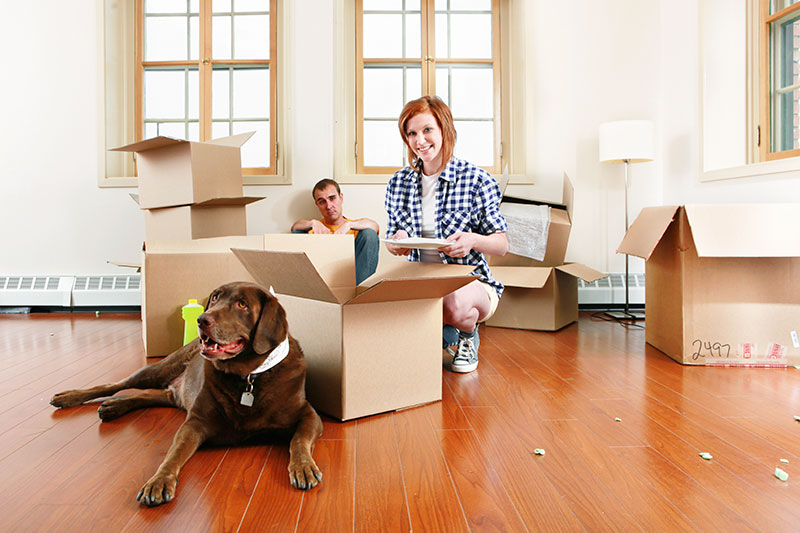
Moving to a new state brings a mix of anticipation and stress. But when you have beloved pets, the task becomes even more intricate. They are part of your family, and their comfort and safety are paramount.
How do you ensure a smooth transition for them during the move? In this article, we will delve into the various challenges of relocating with pets and provide practical solutions to make your journey a success.

Planning for a Pet-Friendly Move
Moving long distances involves meticulous planning, especially when pets are involved. You need to consider their needs and make the necessary arrangements.
1. Considering Your Pet's Needs
Your pets have unique requirements, including food, exercise, and comfort. Take into account their age, breed, and any special needs they may have.
2. Researching Local Pet Laws and Regulations
Different states have varying pet laws and regulations. Researching these beforehand will help you comply with any specific requirements or restrictions in your new location.
3. Finding a Pet-Friendly Neighborhood
Look for a neighborhood that welcomes pets. Consider factors like nearby parks, walking trails, and pet-friendly establishments when choosing your new home.
Preparing Your Pet for the Move
Before embarking on your journey, it's essential to prepare your pet physically and mentally for the move.
1. Updating Identification and Microchipping
Ensure your pet's identification tags are up to date with your current contact information. Microchipping provides an additional layer of security in case your pet gets lost during the move.
2. Obtaining Veterinary Records and Prescriptions
Visit your veterinarian to obtain a copy of your pet's medical records and any necessary prescriptions. These documents will be vital in your new location, especially if you need to find a new veterinarian. You might also want to adjust your pet's insurance when you move, as providers often take into account location when determining the cost of a plan, so it would be a good idea to find a means to tailor a plan to fit your coverage needs and budget as part of your relocation.
3. Introducing Crate Training for Travel
Familiarize your pet with a travel crate or carrier to make the journey more comfortable and secure. Gradually introduce them to the crate to reduce anxiety and help them associate it with positive experiences.
Choosing the Right Mode of Transportation for Long-Distance Moves
Selecting the appropriate mode of transportation is crucial for long-distance movers to ensure your pet's safety and well-being during the move.
1. Air Travel Considerations for Pets
If you're flying to your new destination, research the airline's pet policies and requirements. Ensure you have the necessary documents, such as health certificates and airline-approved carriers. Additionally, it might be helpful to consider professional pet relocation services, such as Airpets America, to ensure a smooth and stress-free travel experience for your pet.
2. Road Trip Essentials with Your Furry Friend
If you're traveling by road, pack essential items like food, water, bedding, toys, and any medication your pet may need. Plan regular breaks for exercise and bathroom breaks.
3. Exploring Alternative Transportation Options
While some pet owners prefer to handle the move themselves, it's worth considering the benefits of hiring professional long-distance movers for the move.
Out-of-state movers specialize in long-distance relocations, and their expertise can alleviate much of the stress associated with the logistics of moving.
They have the necessary equipment, experience, and knowledge to ensure a smooth transition for both you and your pets.
Finding Pet-Friendly Accommodations
When relocating, finding suitable pet-friendly accommodations is essential for a smooth transition.
1. Tips for Searching Pet-Friendly Rentals
Start your search for pet-friendly rentals early and use online resources that specialize in listing pet-friendly properties. Reach out to landlords or property management companies to confirm their pet policies.
2. Assessing Pet Policies and Fees
Before finalizing a rental agreement, thoroughly review the pet policies and associated fees. Ensure they align with your pet's needs and your budget.
3. Making Your New Home Pet-Safe
Inspect your new home for potential hazards, such as toxic plants, exposed wires, or insecure fences. Make the necessary adjustments to create a safe environment for your pet.
Navigating Interstate Pet Health Requirements
Different states have varying pet health requirements that must be met when moving across state lines.
1. Understanding Vaccination and Health Certificate Requirements
Research the specific vaccination and health certificate requirements of your new state. Schedule a visit to your veterinarian to ensure your pet is up to date with vaccinations and obtain the necessary health certificates.
2. Researching Quarantine Regulations, if Applicable
Some states may have quarantine regulations for pets. Check if your new state has such requirements and plan accordingly.
3. Preparing for a Smooth Veterinary Transition
If you need to find a new veterinarian in your new location, start by gathering recommendations from local pet communities and researching reputable veterinary clinics. Additionally, consider looking for a mobile vet clinic for elderly or larger pets. Then schedule an initial appointment to establish a relationship with the new veterinarian to ensure they are a good fit for your pet's needs.
Managing Pet Anxiety and Stress
Moving can be stressful for pets. It's crucial to identify signs of anxiety and employ strategies to help them adjust to their new environment.
1. Recognizing Signs of Pet Anxiety during the Move
Pets may exhibit signs of anxiety during the move, such as excessive panting, pacing, or hiding. Be attentive to their behavior and provide comfort as needed.
2. Strategies to Help Pets Adjust to Their New Environment
Create a familiar space for your pet in the new home with their bedding, toys, and food bowls. Gradually introduce them to different areas of the house and establish a consistent routine.
3. Seeking Professional Help, if Necessary
If your pet's anxiety persists or becomes severe, consult with a professional, such as a veterinarian or animal behaviorist, who can provide additional guidance and support.
Establishing a Routine in Your New Home
Creating a routine is vital to help your pet settle into their new environment and feel secure.
1. Creating a Familiar Space for Your Pet
Designate an area in your new home as your pet's space, where they can retreat to and feel safe. Set up their bed, toys, and water and food bowls in this area.
2. Introducing a Consistent Daily Routine
Maintain a consistent schedule for feeding, walks, playtime, and other activities. Consistency will provide structure and reassurance for your pet.
3. Exploring the Local Pet-Friendly Amenities
Research and explore nearby pet-friendly amenities, such as parks, trails, and pet stores. Engaging in these activities will help your pet become familiar with their new surroundings and meet other pet owners.
Building a Supportive Network for Your Pet
Establishing connections with local pet communities and finding new veterinary care providers is essential for your pet's well-being.
1. Finding New Veterinary Care Providers
Research local veterinary clinics and schedule a meet-and-greet with potential veterinarians. Ask for recommendations from neighbors or online pet communities to find a trusted healthcare provider for your pet.
2. Connecting with Local Pet Communities
Join local pet communities, such as social media groups or neighborhood associations, to connect with other pet owners. They can provide valuable advice and recommendations for pet-friendly services and activities in your area.
3. Engaging in Pet-Friendly Activities and Events
Participate in pet-friendly activities and events to socialize your pet and meet like-minded pet owners. These experiences will help your pet feel more comfortable in the new community.
Pet-Proofing Your New Home
Pet-proofing your new home is essential to prevent accidents or injuries to your furry friend.
1. Identifying Potential Hazards in the New Environment
Carefully inspect your new home for potential hazards, such as toxic plants, exposed electrical wires, or sharp objects. Address any identified hazards promptly.
2. Securing Fences, Balconies, and Windows
Ensure that your fences, balconies, and windows are secure to prevent your pet from escaping or falling. Install pet-friendly screens or barriers, if necessary.
3. Keeping Toxic Substances Out of Reach
Store household cleaners, medications, and other potentially toxic substances in secure cabinets or high shelves, out of your pet's reach. Use pet-safe cleaning products whenever possible.
Helping Your Pet Settle into the New Neighborhood
Introducing your pet to the new neighborhood and its residents will aid in their adjustment.
1. Introducing Your Pet to the Neighbors and Local Pets
Take your pet for walks around the neighborhood to introduce them to new faces, both human and furry. Socializing your pet will help them feel more at ease.
2. Exploring Nearby Parks and Walking Trails
Discover nearby parks, walking trails, and other outdoor spaces where you can take your pet for exercise and exploration. Regular outings will familiarize them with their new surroundings.
3. Enrolling in Obedience Classes or Doggy Daycare, if Needed
Consider enrolling your pet in obedience classes or doggy daycare to provide them with mental stimulation and social interaction. These activities can help them build confidence and adapt to the new environment.
Maintaining Your Pet's Well-being in the New Environment
Regular veterinary care, a balanced diet, and awareness of common health issues are essential for your pet's well-being in the new environment.
1. Scheduling Regular Veterinary Check-ups
Ensure your pet receives regular check-ups and vaccinations as recommended by your new veterinarian. Routine examinations will help detect any health issues early on.
2. Providing a Balanced Diet and Exercise Routine
Maintain a healthy and balanced diet for your pet based on their age, breed, and any specific dietary needs. Establish an exercise routine to keep them active and fit.
3. Recognizing and Addressing Common Health Issues in the Area
Familiarize yourself with common health issues prevalent in your new area, such as tick-borne diseases or allergies. Take necessary precautions to prevent these issues and seek prompt veterinary care if needed.
Travelling with Pets: Exploring Local Attractions and Beyond
Once settled in your new state, it's time to explore local attractions and beyond with your furry friend.
1. Pet-Friendly Tourist Spots and Destinations
Research pet-friendly tourist spots and destinations in your new state. Whether it's a beach, hiking trail, or a pet-friendly landmark, plan outings that both you and your pet can enjoy.
2. Planning Outdoor Adventures with Your Pet
Engage in outdoor activities like hiking, camping, or swimming with your pet. Ensure you have the necessary gear and supplies to keep them safe and comfortable.
3. Navigating Pet Regulations for National Parks and Beaches
If you plan to visit national parks or beaches, familiarize yourself with their specific pet regulations. Some areas may have restrictions or require pets to be on leashes.
Common Challenges and Solutions for Relocating with Pets
Relocating with pets may come with its fair share of challenges. Here are some common issues you may encounter and solutions to overcome them.
1. Dealing with Separation Anxiety
Pets may experience separation anxiety during the move or after settling into the new home. Gradual introductions to new spaces and maintaining a consistent routine can help alleviate this anxiety.
2. Introducing Pets to Other Pets in the New Home
If you have multiple pets, introducing them to each other in the new home can be a delicate process. Gradual introductions, supervised interactions, and positive reinforcement can foster a harmonious relationship.
3. Handling Unexpected Emergencies during the Move
Despite careful planning, unexpected emergencies can occur during the move. Prepare a pet emergency kit with essential supplies and research emergency veterinary clinics along your route.
Frequently Asked Questions (FAQs)
How early should I start preparing my pet for the move?
Start preparing your pet for the move as early as possible. Ideally, begin a few months in advance to allow time for gradual adjustments and necessary preparations.
What should I pack in my pet's travel essentials kit?
Pack your pet's essentials, including food, water, medication, toys, bedding, leash, collar, identification tags, and any necessary documents, such as vaccination records and health certificates.
Are there any restrictions on moving certain pets across state lines?
Certain states may have restrictions on moving certain exotic or dangerous animals. Research the specific regulations and requirements of your new state to ensure compliance.
How can I help my pet adjust to the new home more easily?
Create a familiar space for your pet, maintain a consistent routine, provide comfort and reassurance, and gradually introduce them to different areas of the house. Patience and positive reinforcement are key.
What are some common pet-friendly amenities to look for in a neighborhood?
Look for pet-friendly amenities such as nearby parks, walking trails, pet stores, grooming salons, and veterinary clinics. Additionally, a community that embraces pets and has other pet owners can create a supportive environment.
A Tail-Wagging Transition
Relocating with pets may seem daunting, but with careful planning and consideration, it can be a successful and rewarding experience. By addressing the unique challenges of moving long-distance with your furry companions, you can ensure their comfort, safety, and happiness throughout the journey. Remember, patience and love go a long way in helping your pets adapt to their new environment.




Social Icons